

Article: Waterless Diffuser vs Ultrasonic Diffuser: Which Is Better?
Waterless Diffuser vs Ultrasonic Diffuser: Which Is Better?


What's the Difference?
The most important difference between a waterless diffuser and an ultrasonic diffuser comes down to how each one disperses fragrance into a room.
A waterless diffuser releases pure fragrance oil directly into the air without diluting it with water. Because the oil isn't mixed with anything, the scent is stronger, more consistent, and tends to fill larger spaces more effectively. A waterless diffuser is often the better choice for anyone who wants a noticeable, long-lasting fragrance experience.
An ultrasonic diffuser works differently - it uses high-frequency vibrations to break down a mixture of water and essential oil into a fine mist. The result is a lighter, softer aroma that doubles as a gentle humidifier. For smaller rooms or people who prefer a subtle scent, an ultrasonic diffuser can be a good fit.
When comparing a waterless diffuser vs an ultrasonic diffuser, the right choice depends on what you're looking for. If scent strength, coverage, and consistency matter most, a waterless diffuser will typically outperform. If you prefer a milder fragrance with added moisture in the air, an ultrasonic diffuser may suit you better.
How Does a Waterless Diffuser Work?
A waterless diffuser works by dispersing pure fragrance oil directly into the air using a process called cold-air diffusion. A small, quiet air pump pushes a precise stream of air through a narrow tube submerged in the fragrance oil. This creates a pressure difference that draws the oil upward and atomises it - breaking it down into microscopic particles fine enough to suspend in the air and travel across a room.
The process uses no heat. Because the oil is never warmed, its molecular structure stays intact, which means the fragrance you smell is a true, unaltered expression of the oil itself -not a version of it that has been changed by temperature.
Because the fragrance is never diluted, what you smell is the scent as it was designed to be. This is why waterless diffusers consistently deliver a stronger scent throw and better coverage than water-based alternatives - the fragrance reaches further and lasts longer.
This makes a waterless diffuser particularly well-suited to larger rooms, open-plan living areas, and anyone who wants a home fragrance that actually fills the space rather than fading within a few minutes of sitting down.

How Does an Ultrasonic Diffuser Work?
An ultrasonic diffuser works by combining water and fragrance oil in a reservoir, then using a small ceramic disc vibrating at ultrasonic frequency to break the mixture down into a fine mist. That mist is then released into the air, carrying the fragrance with it.
Because the oil is diluted with water before it is dispersed, the resulting scent is lighter than what you would get from a waterless diffuser. The concentration of oil in the mist is relatively low, which is why ultrasonic diffusers tend to work better in smaller rooms or over shorter periods of use.
For anyone who prefers a subtle background scent rather than a bold fragrance presence, or who wants a diffuser that adds a little moisture to the air, an ultrasonic diffuser can be a practical choice.
Which diffuser gives a stronger scent?
If your main goal is a stronger and more noticeable home fragrance, a waterless diffuser is usually the better choice.
A nebulizing (waterless) diffuser does not dilute the fragrance with water, the scent tends to feel richer and more consistent. This makes waterless diffusers a better option for people trying to fragrance larger rooms or create a more premium hotel-like scent experience at home.
Ultrasonic diffusers can still smell nice, but the fragrance is usually softer because the oil is dispersed through water mist.
They also tend to be a more low-maintenance option. There's no water reservoir to refill, no risk of mold from standing water, and no mist residue on surfaces - just consistent fragrance, on your terms.

Which Diffuser Is Easier to Maintain?
When it comes to day-to-day maintenance, a waterless diffuser is generally the simpler option. Because there is no water reservoir, there is nothing to refill, empty, or wipe down after each use.
An ultrasonic diffuser requires more regular attention. Water sits in the reservoir between uses, which means residue can build up over time and the tank needs to be emptied, wiped, and cleaned consistently to keep the unit performing well. If this is skipped, it can affect both the scent output and the longevity of the diffuser.
A waterless diffuser still benefits from periodic cleaning to maintain scent clarity and airflow, but the upkeep is less frequent and less involved - making it a better fit for anyone who wants a low-maintenance home fragrance routine.
Which Diffuser Is Quieter?
Both waterless and ultrasonic diffusers are designed to operate quietly, though the experience can vary depending on the model and intensity setting.
Ultrasonic diffusers sometimes produce a faint humming or trickling sound from the water reservoir and misting action. Waterless diffusers have a small internal pump that cycles on and off, which can produce a light operating sound at higher intensity settings.
For most people, neither is disruptive - but there is a noticeable difference between a standard unit and a well-engineered one. The Lumascent diffuser, for example, operates at around 30dB, which is roughly equivalent to a quiet whisper. At that level, it runs almost imperceptibly in the background, making it well suited to bedrooms, home offices, and any space where ambient noise matters.
If noise sensitivity is a priority, it is always worth checking a diffuser's stated decibel level and how it performs across different settings before purchasing.
Which Diffuser Is Better: Waterless or Ultrasonic?
The honest answer is that it depends on what you want from your home fragrance.
A waterless diffuser is usually the stronger performer for anyone who wants a bold, consistent scent that fills a room properly. Because the oil is never diluted, the fragrance is more intense, the coverage is better, and the day-to-day upkeep is minimal. For larger rooms, open-plan spaces, or anyone who treats home fragrance as part of how their space feels rather than just a background detail, a waterless diffuser tends to be the better fit.
An ultrasonic diffuser suits a different preference. If you want something softer and more subtle, or you prefer a diffuser that adds a little humidity to the air, an ultrasonic unit can work well - particularly in smaller rooms or for shorter periods of use.
The difference ultimately comes down to how seriously you take scent. For a lighter, occasional fragrance, either will do the job. For a home that smells genuinely considered and consistent, a nebulizing diffuser is the more capable option.
Why More People Are Choosing Waterless Diffusers
Waterless diffusers have become increasingly popular because they solve a frustration that most people have experienced at some point - wanting their home to smell genuinely good, and finding that what they are using simply is not delivering.
Many people move through candles, reed diffusers, and ultrasonic diffusers before arriving at a waterless diffuser. The pattern is usually the same: the scent is too faint, fades too quickly, or only reaches one corner of the room. A waterless diffuser addresses all of that - no dilution, no heat, just consistent fragrance dispersed properly through the space.
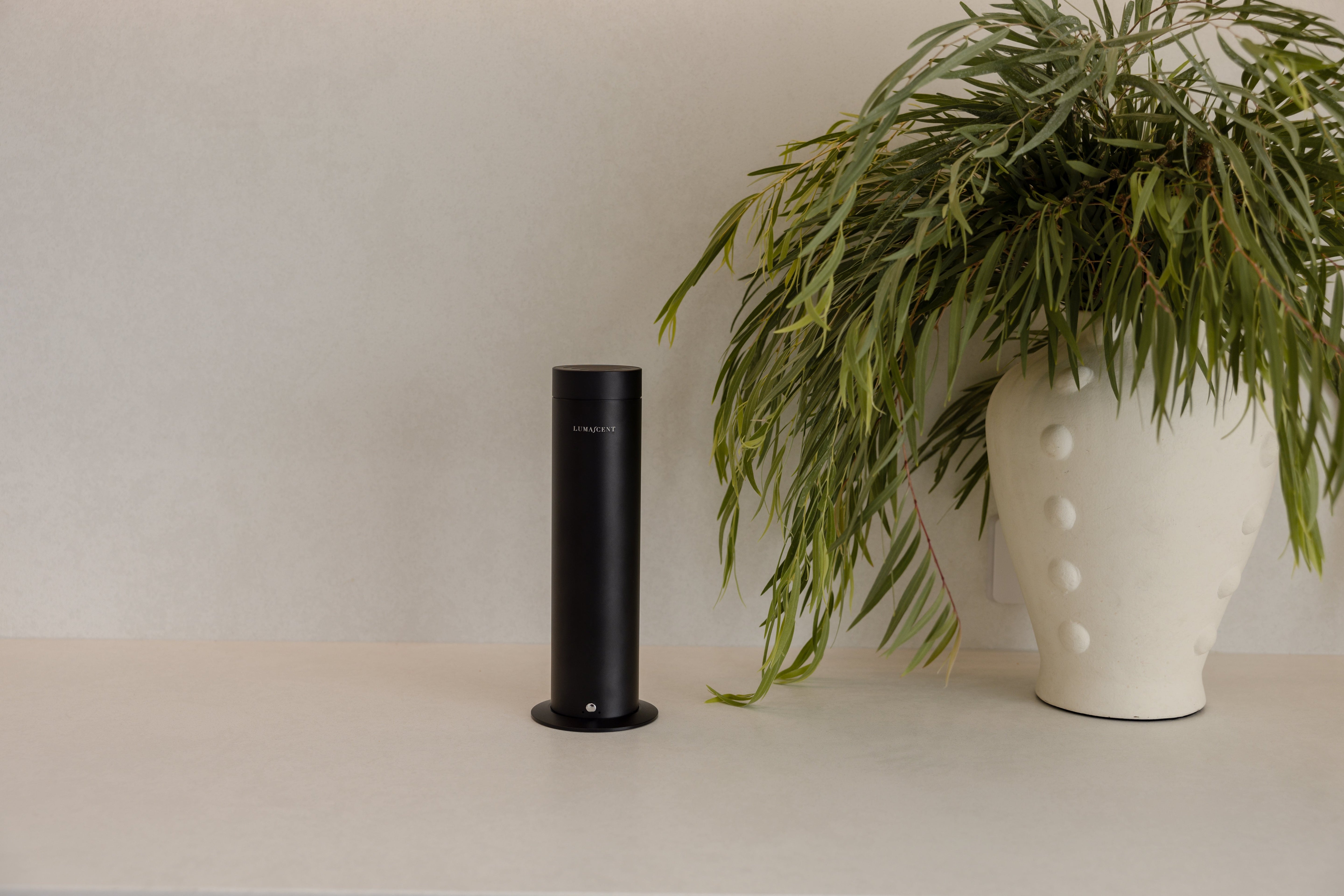
For those ready to make that upgrade, the Lumascent diffuser is designed exactly for this. Built around cold-air diffusion technology, it runs quietly at 30dB, requires minimal maintenance, and is engineered to fragrance larger rooms with a consistency that candles and ultrasonic diffusers rarely match. It is home fragrance taken seriously.